Free shipping on orders over $100

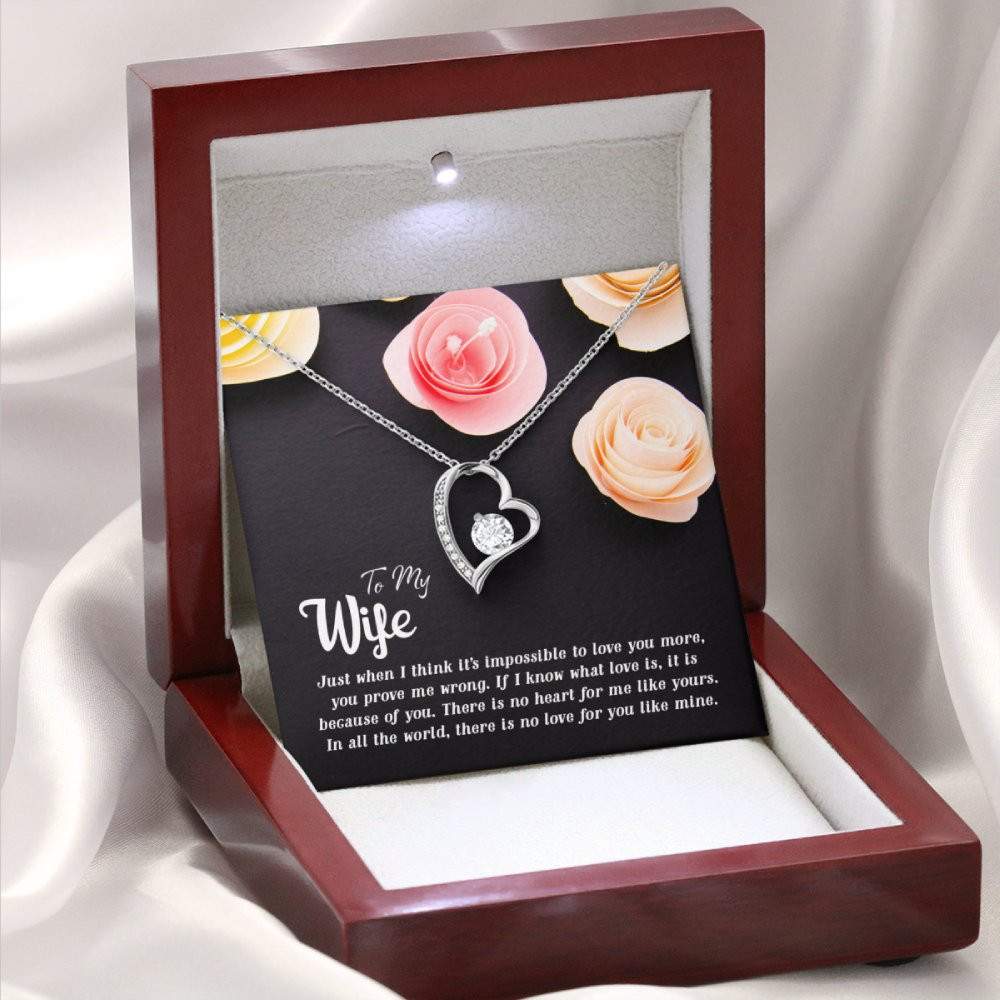
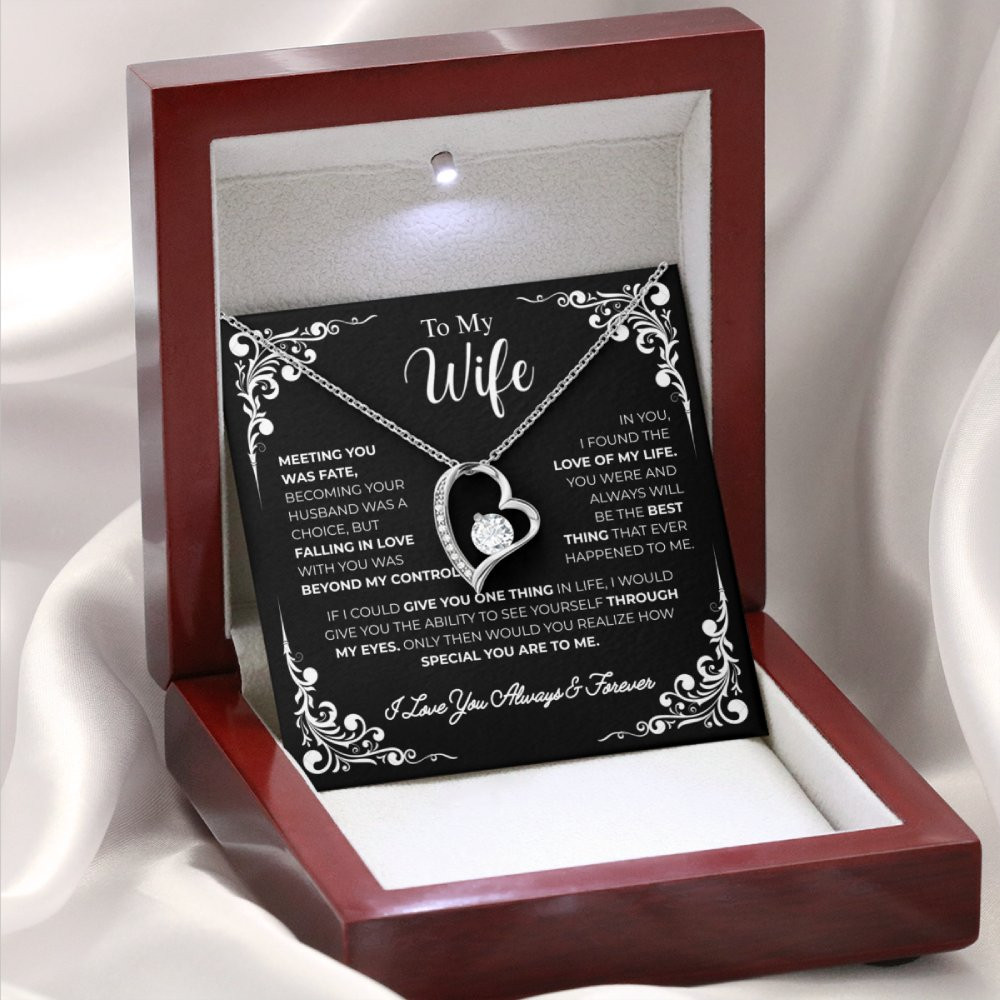
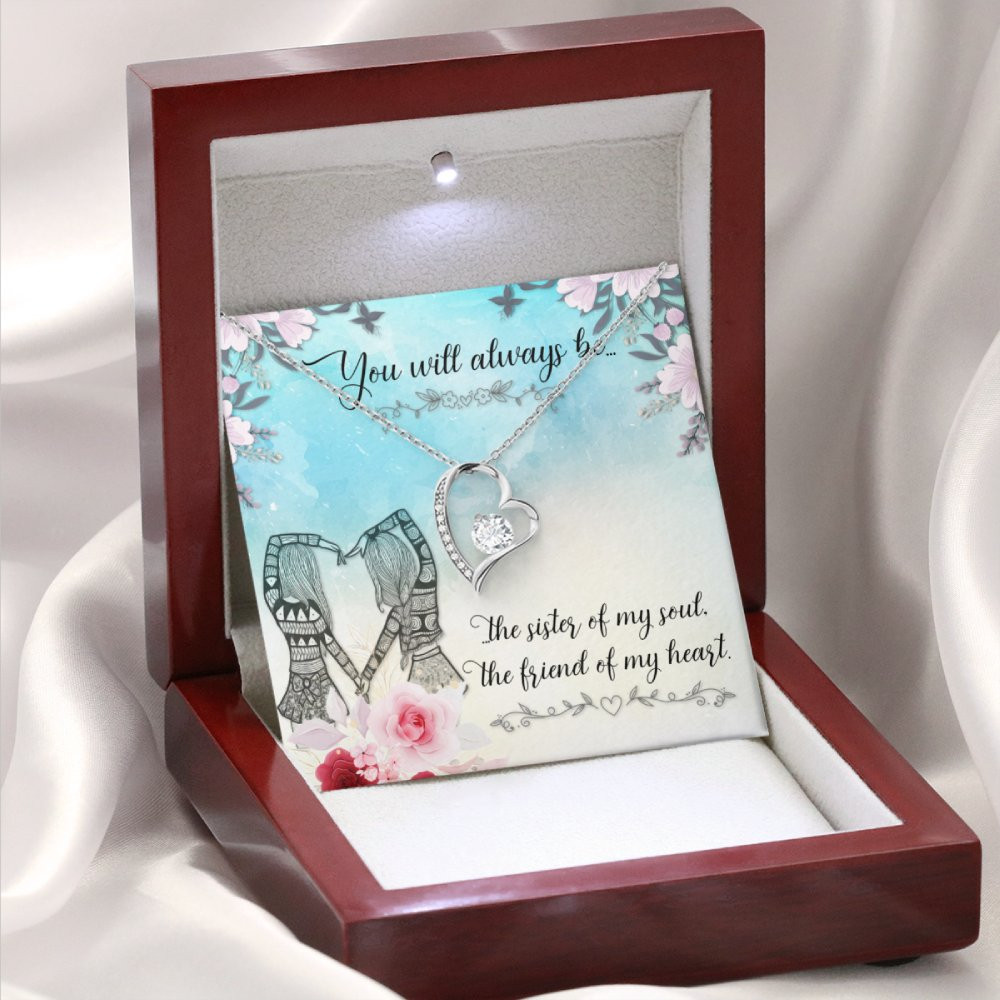
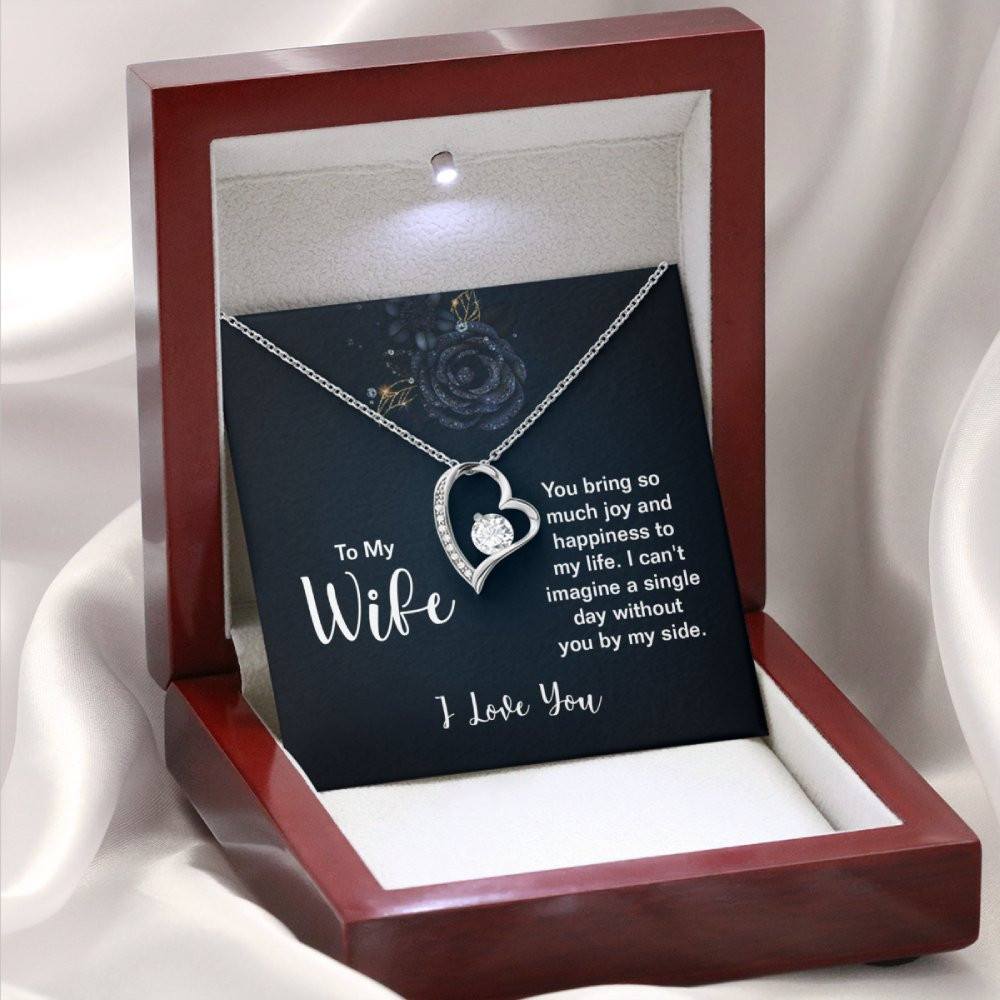

Interlocking Heart Necklace White Gold
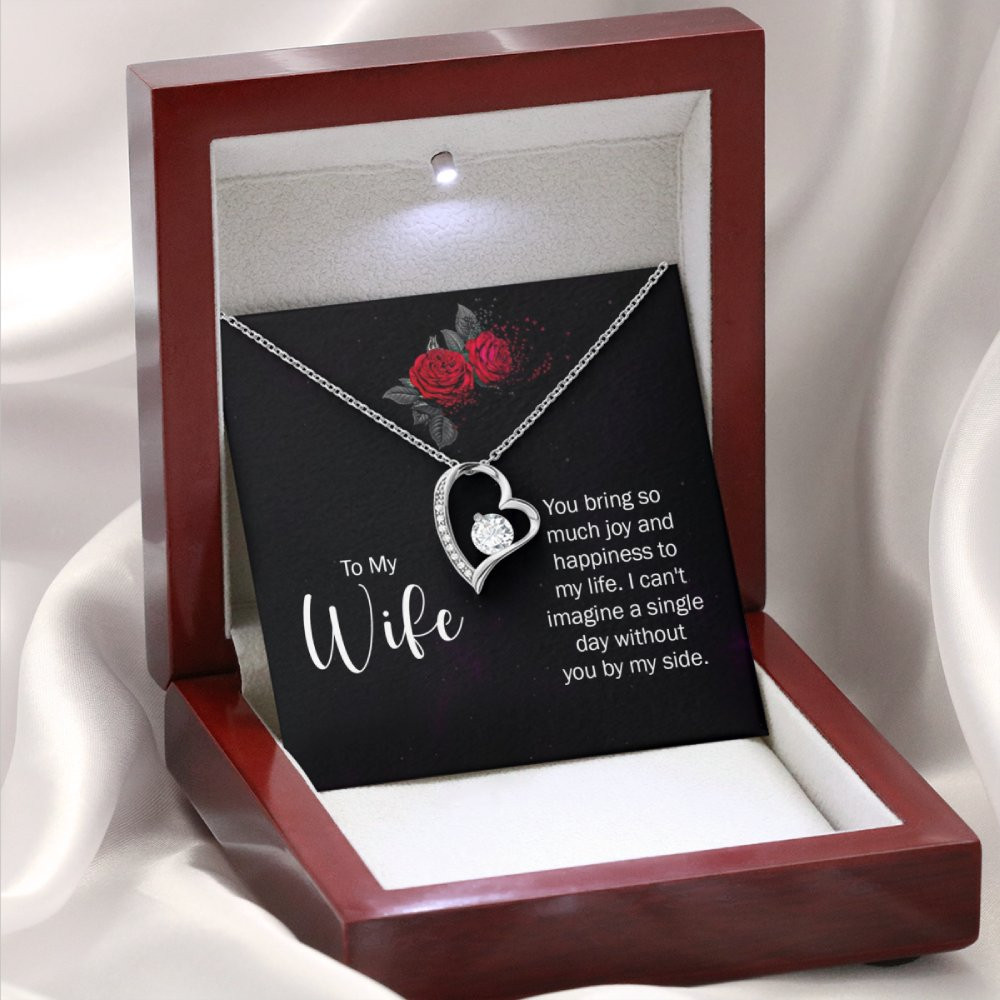
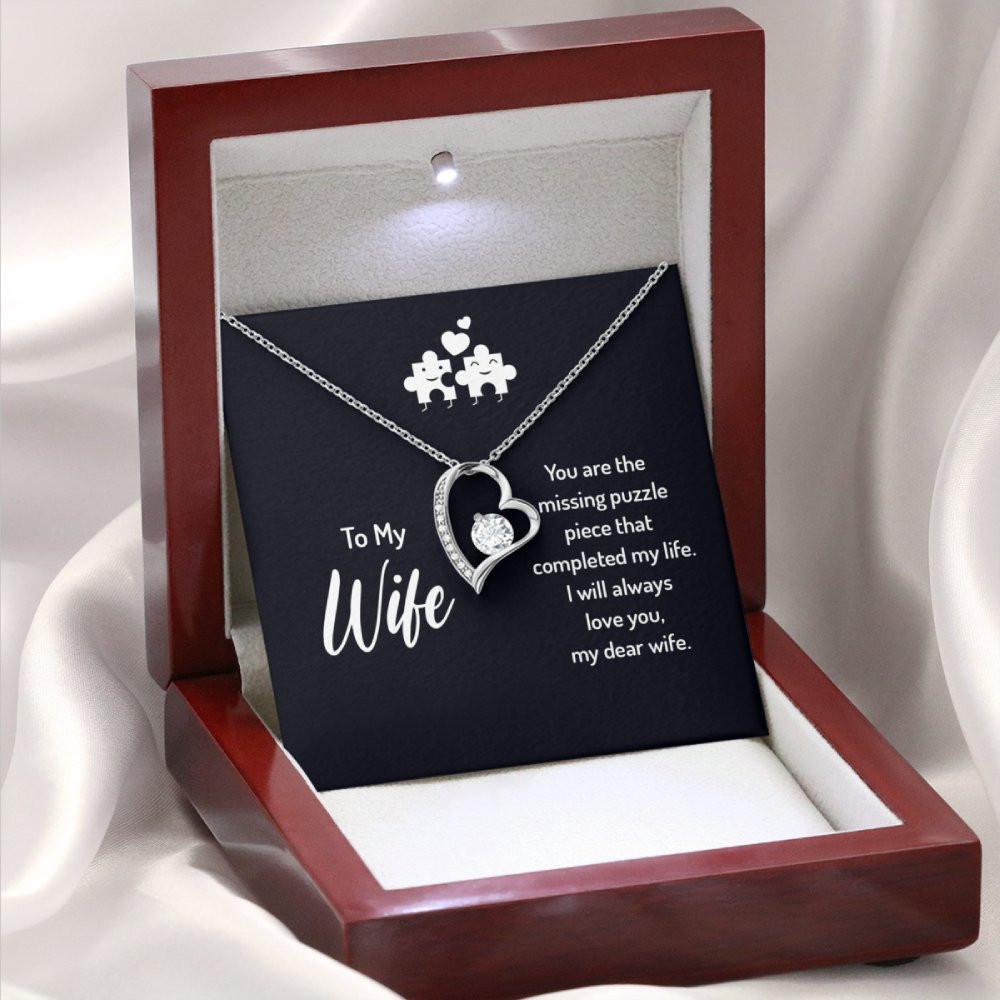
That's the mood of an interlocking heart necklace in white gold. It takes one of the most loved symbols in jewelry, two hearts joined together, and gives it a sleek, silvery glow that feels modern, polished and effortlessly elegant. It looks gorgeous with a crisp white shirt, a little black dress, a bridal gown or your favorite worn-in jeans.
In this guide, we'll look at what white gold really is, why it's often rhodium plated, how to pick the right design and size, how to wear it, and how to keep it looking bright. Think of it as a friendly chat before you buy.
What Is White Gold, Exactly?
Here's a surprise: white gold isn't a naturally occurring color of gold. It's made by mixing pure yellow gold with white metals such as palladium, silver or, in some cases, nickel and zinc. The result is a pale, silvery metal that has the strength and value of real gold.
Most white gold jewelry is then finished with a thin layer of rhodium, a bright, white, highly reflective metal in the platinum family. This coating gives white gold its brilliant, mirror-like shine and adds a layer of protection.
What Rhodium Plating Means for You
Rhodium plating is common on white gold necklaces, and it's worth understanding.
- It gives that bright white look. Without it, white gold can look slightly warm or grayish.
- It adds surface protection. It helps resist minor scratches and gives a hard, smooth finish.
- It wears down over time. With regular wear, the plating gradually thins, and the metal underneath may show a slightly softer, warmer tone.
- It can be reapplied. A jeweler can re-plate your necklace, often every year or two, depending on how often you wear it.
This isn't a flaw. It's simply part of owning white gold, much like polishing a favorite pair of shoes.
Why White Gold Suits Interlocking Hearts So Well
- A modern, clean look. The cool tone highlights the shape of the hearts and the way they connect.
- A natural partner for diamonds and white stones. Sparkling stones appear especially bright against white metal.
- Versatility. It goes with nearly everything, from cool-toned outfits to neutrals and bold colors.
- Strength. White gold alloys are often tougher than yellow gold of the same karat, so the linked design stays crisp for longer.
- A platinum-like look at a friendlier price. It gives a similar appearance to platinum while typically costing less.
Choosing the Karat
- 10K white gold: about 41.7 percent gold. Very durable and budget-friendly.
- 14K white gold: about 58.3 percent gold. A popular choice for daily wear.
- 18K white gold: 75 percent gold. A richer, more premium feel, with a slightly softer finish.
Our take: for an everyday necklace, 14K white gold is a smart middle ground. If you want a more luxurious piece for special occasions, 18K is a lovely upgrade.
White Gold vs Silver vs Platinum
With similar colors, it's easy to mix them up.
- White gold: real gold alloy, usually rhodium plated, strong and valuable. Needs occasional re-plating.
- Sterling silver: more affordable and bright, but it tarnishes more easily and is softer.
- Platinum: naturally white, very dense and durable, and typically the most expensive.
If you love the silvery look but want the strength and value of gold, white gold is a wonderful middle path.
Interlocking Heart Designs to Consider
The classic polished pair
Two smooth, glossy hearts linked together. Clean, simple and endlessly wearable.
The open-heart outline
Slim outlines that overlap or link, giving the necklace an airy, contemporary feel.
The diamond-accented heart
A small diamond or lab-grown stone set in one heart. Subtle sparkle for daily wear or special days.
The pavé hearts
Tiny stones across the surface of the hearts for a dazzling, glamorous effect.
The engraved pendant
A smooth space for initials, a date or a short message.
The mixed-tone design
White gold paired with yellow or rose gold in one pendant. A beautiful way to represent two people or two sides of a story.
The mini hearts necklace
A petite pendant that sits delicately at the collarbone. Great for layering and for a minimalist style.
The vintage-inspired design
Milgrain edges, filigree or textured details for a romantic, antique-style feel.
Picking the Right Chain
The chain should support the pendant and match its character.
- Cable chain: classic, strong and versatile.
- Box chain: sleek and sturdy, with a modern look.
- Rope chain: textured and shiny, good for slightly bolder pendants.
- Fine delicate chain: lovely with mini pendants, but needs gentle handling.
- Clasp: a lobster clasp is secure and easy to use.
Length guide
- 16 inches: close to the neck.
- 18 inches: at the collarbone, flattering for most people.
- 20 inches: sits slightly lower for a relaxed look.
- Adjustable chain: perfect for gifts or for wearing with different necklines.
Styling Ideas
With a white shirt or blazer: the cool tone of the necklace blends in beautifully for a sleek, polished look.
With black outfits: white gold gleams against black, so even a small pendant stands out.
With denim: a simple interlocking heart brings quiet elegance to casual outfits.
With a V-neck or off-shoulder top: the pendant becomes a graceful focal point.
For weddings and formal events: pair it with pearls or diamond earrings for a refined, romantic look.
With ethnic wear: a delicate white gold pendant looks beautiful with pastel and jewel-toned outfits.
Layering: pair with a slightly longer chain or a thin choker, keeping all pieces in white metals for a cohesive style.
Mixing metals: white gold pairs gracefully with yellow or rose gold when you want a contemporary stacked look.
What Does the Interlocking Heart Symbolize?
- Love and commitment: two hearts joined together.
- Family bonds: between mothers and daughters, sisters or generations.
- Friendship: a lasting, loyal connection.
- Self-love and balance: harmony between heart and mind.
Because the symbol is so open, you can give it your own meaning, which is why it makes such a personal gift.
Gifting Guide
Who it suits
- Wives, girlfriends and fiancées
- Mothers and daughters
- Sisters and best friends
- Brides and bridesmaids
- Anyone who loves a clean, modern look
Occasions
- Anniversaries and Valentine's Day
- Birthdays
- Engagements and weddings
- Mother's Day
- Graduations and promotions
- Special thank-yous
Make it more personal
- Engrave initials or an important date.
- Pick a stone that matches a birth month.
- Write a short, heartfelt note.
- Use a quality gift box.
- Include a gift receipt for easy exchange.
Buying Checklist
- Check the karat stamp. Look for 10K, 14K or 18K marks. In India, BIS hallmarking is a good sign of purity.
- Ask about the alloy. Some white gold uses nickel, which can cause reactions in sensitive people. Palladium-based white gold is typically a gentler option.
- Ask about rhodium plating. Find out whether the piece is plated and how the seller recommends maintaining it.
- Check solid gold vs plated. "White gold plated" is not the same as solid white gold.
- Look at weight and thickness. Light, thin pendants can bend more easily.
- Examine the finishing. The hearts should link neatly, with smooth edges and no rough patches.
- Look at the clasp and bail. Both should feel sturdy.
- Ask about stones. Check whether they're natural, lab-grown or simulated.
- Review the price breakdown. For solid gold, ask for the gold value, making charges and taxes.
- Check the return policy and keep your invoice.
Is White Gold Safe for Sensitive Skin?
It depends on the alloy. Some white gold contains nickel, which is a common allergen. If you have sensitive skin or a known metal allergy, look for nickel-free or palladium white gold and ask the seller for alloy details. If irritation continues, speak with a doctor.
Caring for Your White Gold Necklace
- Clean it gently. Use lukewarm water, a drop of mild soap and a soft brush. Rinse and dry well.
- Avoid harsh chemicals. Chlorine, bleach and strong cleaners can wear down rhodium plating and damage the metal.
- Put it on last. Perfume, creams and hairspray can dull the shine.
- Take it off for rough activity. Exercise, cleaning and swimming are best done without it.
- Store it separately. A soft pouch or lined box protects the finish and prevents tangles.
- Plan for re-plating. If your necklace starts to look slightly yellowish or dull, a jeweler can restore its bright white shine.
- Check it once a year. Have the clasp, links and bail inspected for safety.
Common Mistakes to Avoid
- Assuming white gold never needs maintenance.
- Confusing white gold with white gold plated or silver.
- Ignoring nickel content if you have sensitive skin.
- Choosing a chain too thin for the pendant.
- Wearing the necklace in pools, hot tubs or the shower.
- Skipping the return policy check when buying a gift.
Frequently Asked Questions
What is white gold made of?
It's an alloy of yellow gold mixed with white metals such as palladium, silver or nickel, and usually finished with a rhodium plating for extra whiteness and shine.
Does white gold turn yellow?
Over time, the rhodium plating can wear, revealing the slightly warmer tone of the metal beneath. A jeweler can re-plate it to restore the bright white finish.
Is white gold better than silver?
White gold is stronger, longer-lasting and more valuable, but also more expensive. Silver is more affordable and bright but tarnishes more easily. The right choice depends on your budget and style.
Is white gold the same as platinum?
No. White gold is a gold alloy, while platinum is a naturally white metal that is denser and typically more expensive.
Which karat is best for an interlocking heart necklace?
14K is a popular choice for daily wear, and 18K is great for a richer feel. 10K is a good budget option.
Can I wear it every day?
Yes. Solid white gold is suitable for everyday wear, though removing it before swimming and heavy exercise helps preserve the rhodium plating.
How do I know my necklace is real white gold?
Look for a karat stamp, buy from a reliable seller and ask for a bill or certificate. A jeweler can also test the piece.
Final Thoughts
An interlocking heart necklace in white gold is for the person who loves romance with a modern edge. It's cool, clean and quietly meaningful, and it looks good with just about everything you own.
Understand what you're buying, check the karat and alloy, care for the finish and wear it often. Love doesn't always have to glow gold. Sometimes it shines silver-white, and just as brightly.
Author: Kosen Khan
